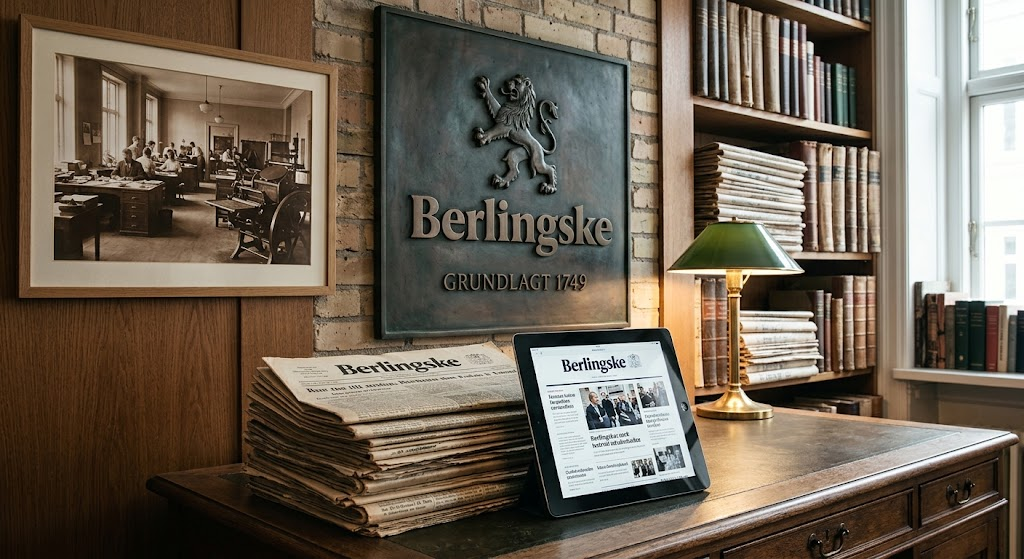
Exploring the Amazing Legacy of Berlingske
Have you ever wondered what the oldest newspaper in the world looks like? In Denmark, a famous publication named berlingske has been sharing news for hundreds of years. It started long before cars, phones, or the internet existed. Today, berlingske remains a huge part of Danish culture and daily life. Reading the news is a great way to learn about the world around us. Let us dive into the exciting story behind berlingske and see how it grew into a modern media giant.
The Humble Beginnings Back in 1749
The story of berlingske begins way back in January 1749. A man named Ernst Henrich Berling decided to start a small print shop and newspaper. Back then, it was called a very long name that translates to Copenhagen Post. People in Denmark were amazed to hold printed pages filled with local updates. Ernst Henrich Berling worked hard to make his small paper successful. Little did he know that berlingske would survive for centuries and become a legendary name in global journalism.
Surviving Wars, Kings, and Big Changes
Running a newspaper for nearly three hundred years is not easy. Over the decades, berlingske faced many hard trials, including royal rule changes, economic crashes, and world wars. Through it all, berlingske kept its doors open to keep citizens informed. In the old days, it had special permission to print government announcements. Later on, berlingske chose to become completely independent so it could report the truth without outside pressure from leaders or kings.
Understanding the Political Voice
Every major newspaper has a unique voice or perspective. Historically, berlingske has leaned toward conservative and liberal-conservative viewpoints. This means berlingske often focuses on traditional values, business growth, and personal freedom. Even though its opinions lean a certain way, berlingske strives to report facts accurately. Readers turn to berlingske because they trust its deep analysis of politics, economics, and culture happening inside Denmark and across Europe.
Changing Names and Moving to Copenhagen
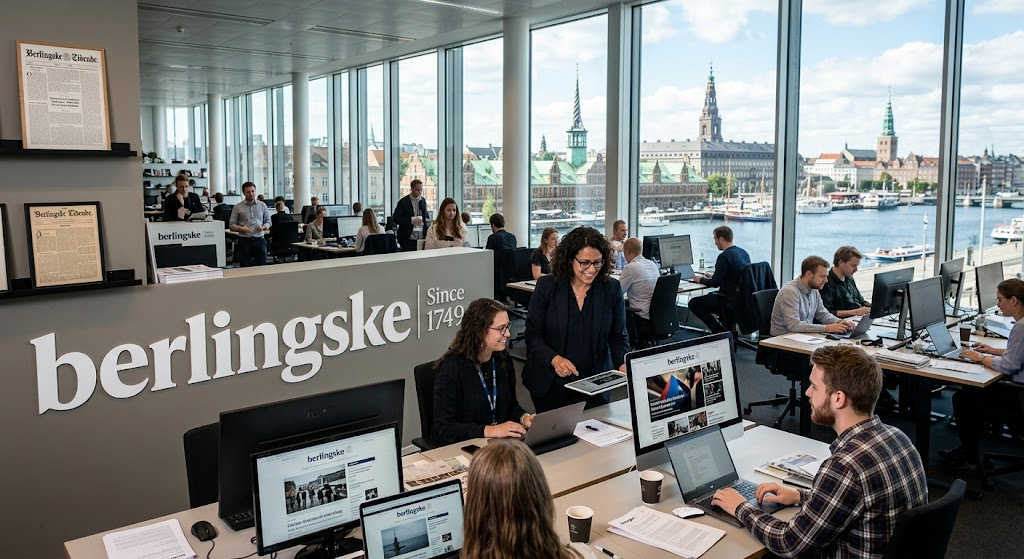
If you travel to Denmark today, you can visit the heart of this media organization in Copenhagen. For a long time, the paper was officially known as Berlingske Tidende. However, as the digital age approached, the team decided to freshen up their brand. They shortened the name simply to berlingske. This change helped berlingske connect better with younger audiences who read their news on phones, tablets, and computers instead of just holding physical paper copies.
Winning Prestigious Awards for Great Stories
Hard work and great writing always get noticed. Over the many years of its operation, berlingske has won numerous national and international awards. Photographers and reporters working for berlingske have captured stunning images and written brave investigative stories. Winning famous prizes like the World Press Photo Award proves that the journalists at berlingske care deeply about quality. Their dedication makes berlingske a shining example of top-tier journalism.
Transitioning Into the Digital Era
The way we consume news has changed faster than ever before. Traditional print papers had to find new ways to survive when the internet arrived. Luckily, berlingske embraced modern technology with open arms. Today, the digital website for berlingske attracts millions of curious web visitors every single month. By combining breaking online updates with deep historical roots, berlingske proves that old brands can learn new tricks and stay relevant forever.
Complete Detailing Biography Table
| Feature Detail | Information about the Subject |
| Name | berlingske (formerly Berlingske Tidende) |
| Founded Date | January 3, 1749 |
| Founder | Ernst Henrich Berling |
| Headquarters | Copenhagen, Denmark |
| Parent Company | Berlingske Media |
| Political Stance | Liberal-conservative / Independent |
| Main Focus | National news, politics, and business |
Why Berlingske Matters Today
You might wonder why a newspaper from Denmark matters to the rest of the world. Brands like berlingske show us how media institutions protect democracy and freedom of speech. When journalists ask tough questions, regular citizens stay protected and informed. The long journey of berlingske teaches us about resilience, adaptability, and the power of sharing truthful stories with the public every single day.
Conclusion and Final Thoughts
In summary, berlingske is much more than just a collection of printed pages or web articles. It is a living piece of history that continues to shape how people understand current events. Whether you love reading about history or modern digital media, the story of berlingske is truly inspiring. What are your favorite ways to stay updated on daily news? Drop a comment below and share your thoughts with us!
Frequently Asked Questions (FAQs)
1. What is berlingske?
berlingske is a major daily national newspaper based in Copenhagen, Denmark, known for being the oldest continuously running newspaper in the country.
2. When was berlingske first published?
The very first edition of berlingske was published on January 3, 1749, by Ernst Henrich Berling.
3. Did berlingske always have this name?
No, for many years it was called Berlingske Tidende before shortening its official title to just berlingske in 2011.
4. What political views does berlingske support?
Historically, berlingske maintains a liberal-conservative outlook while remaining independent in its daily reporting.
5. Can I read berlingske online?
Yes, berlingske operates a massive digital news website that brings daily updates, opinions, and multimedia content to readers worldwide.
6. Who currently owns berlingske?
The newspaper is owned by Berlingske Media, which is part of a larger network of prominent Scandinavian media holdings.